Blog

  • Best IPTV Setup for Fire Stick: Complete 2026 Guide

    Best IPTV Setup for Fire Stick: Complete 2026 Guide

    Updated August 2026 · 7 min read

    The Fire Stick is probably the single most common device people use to get started with IPTV, and for good reason — cheap, small, and already plugged into a lot of TVs. If you’re using one (or thinking about it), here’s what actually matters for getting a smooth 4k iptv experience on it.

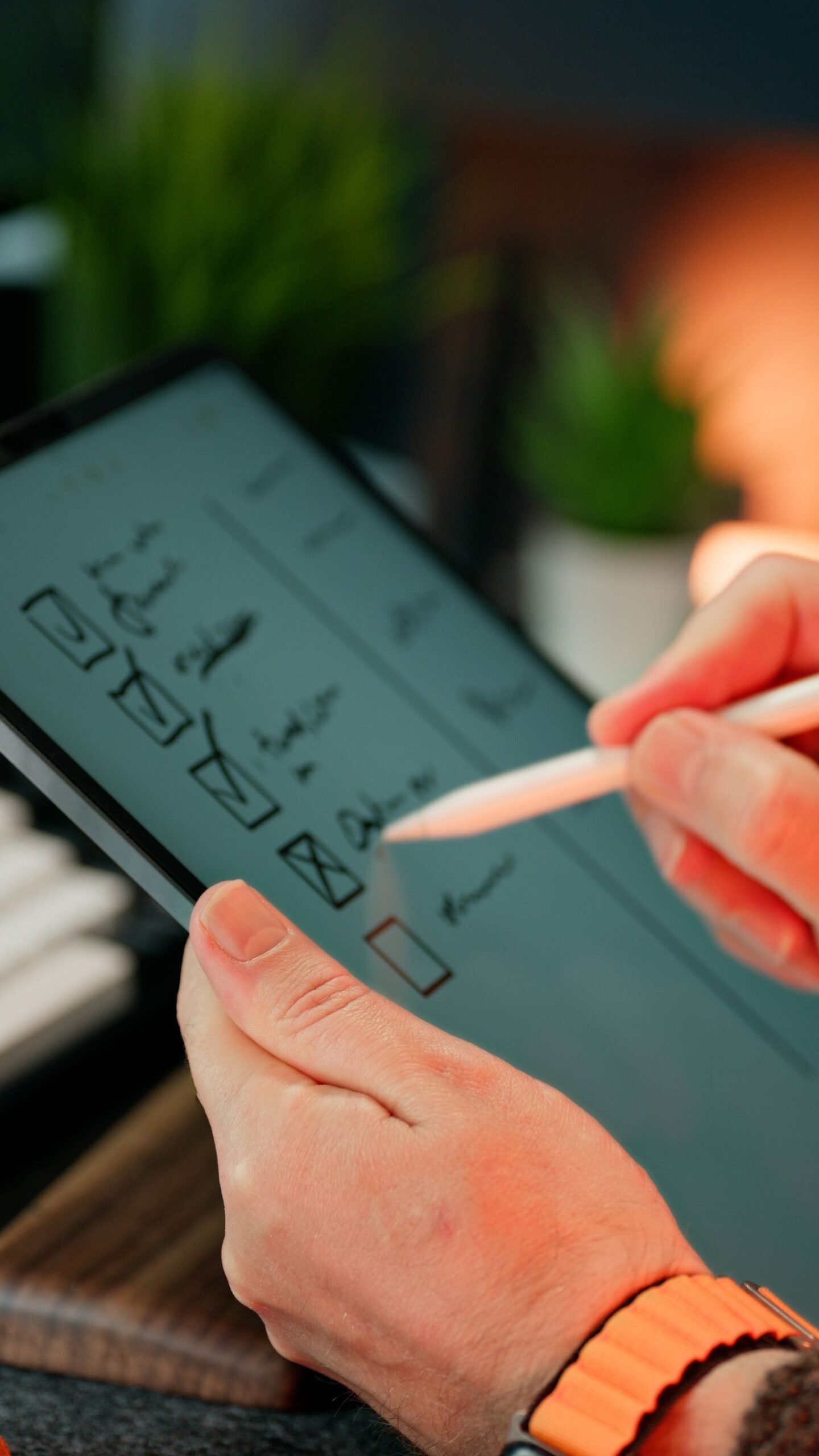
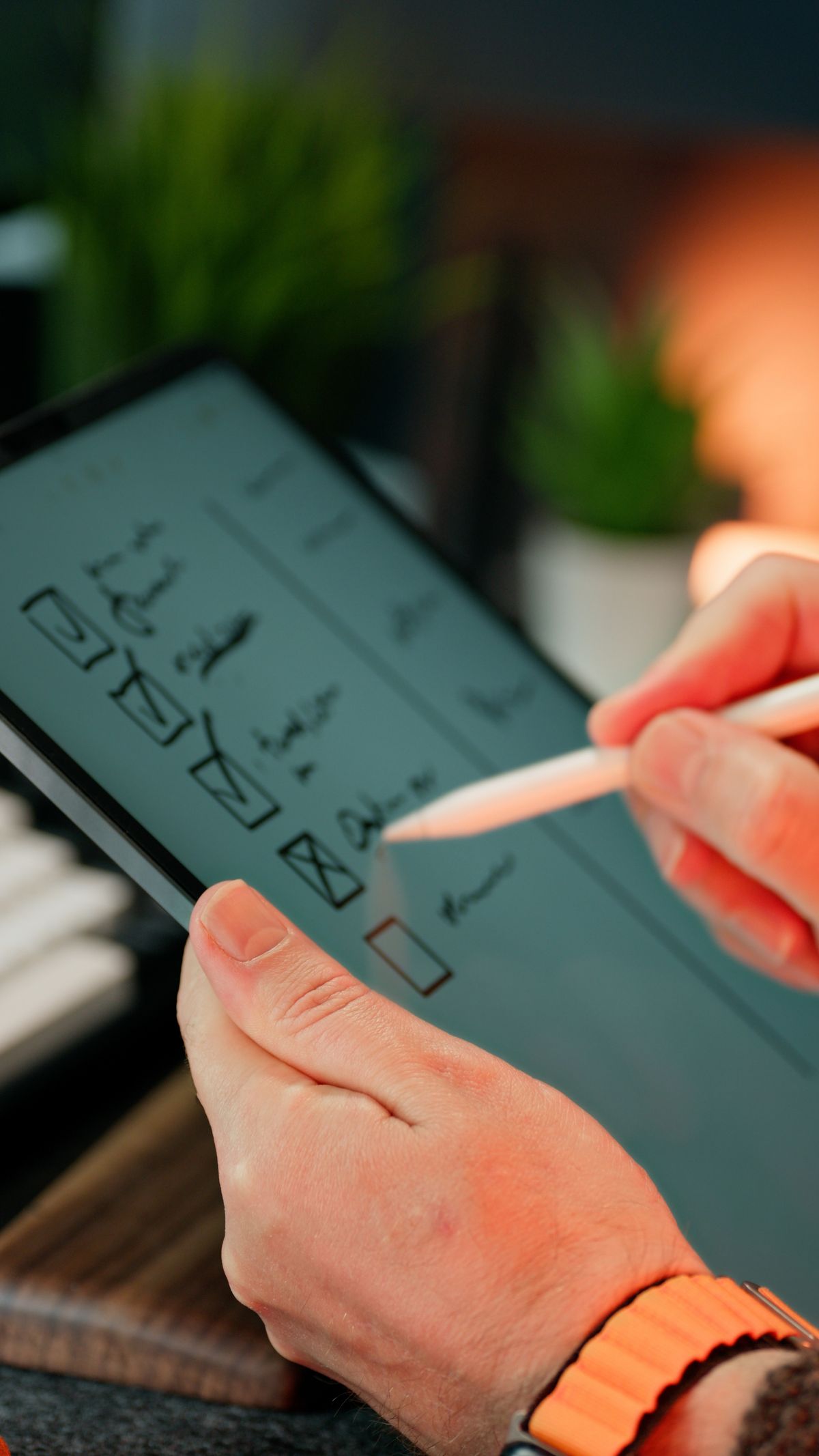
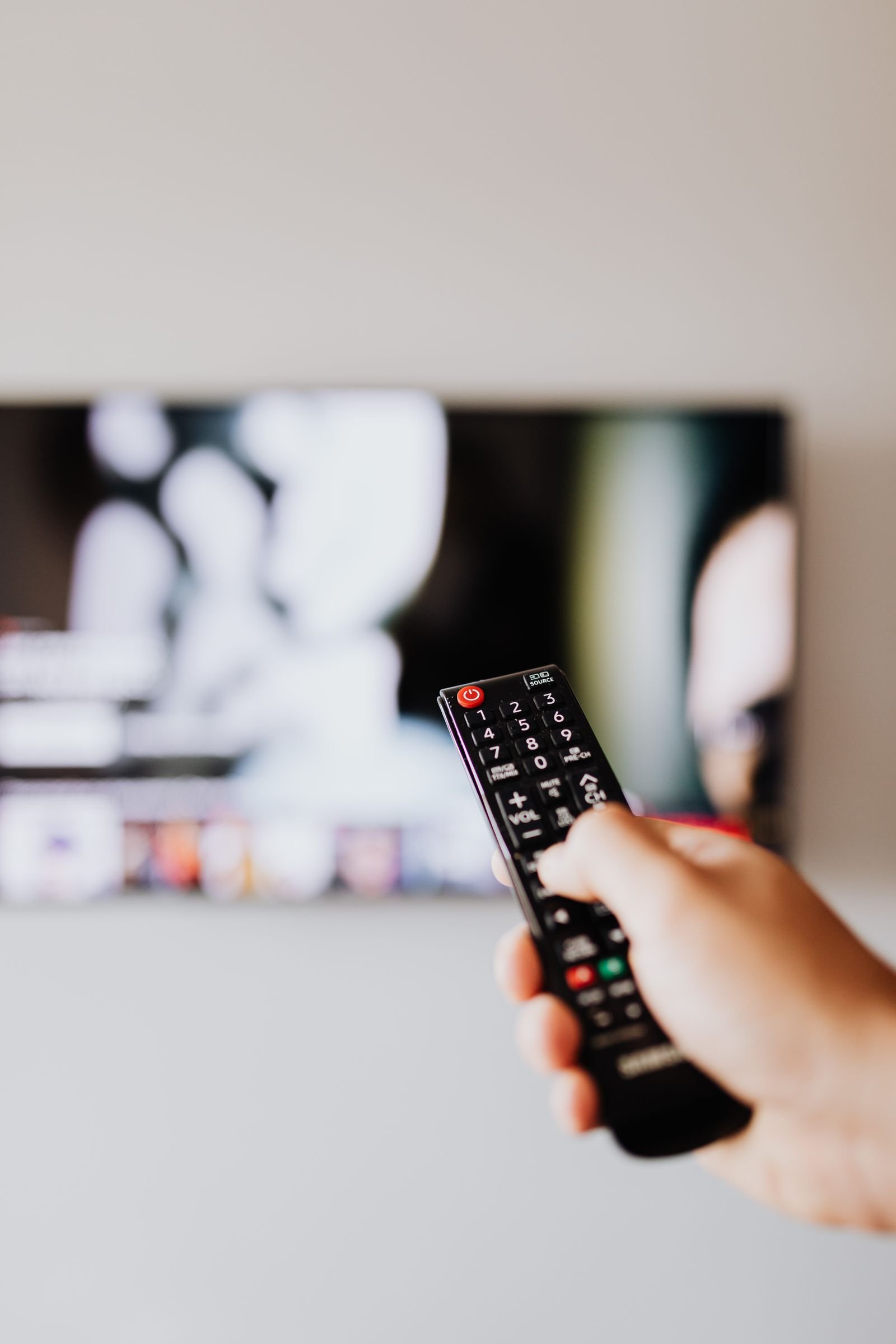
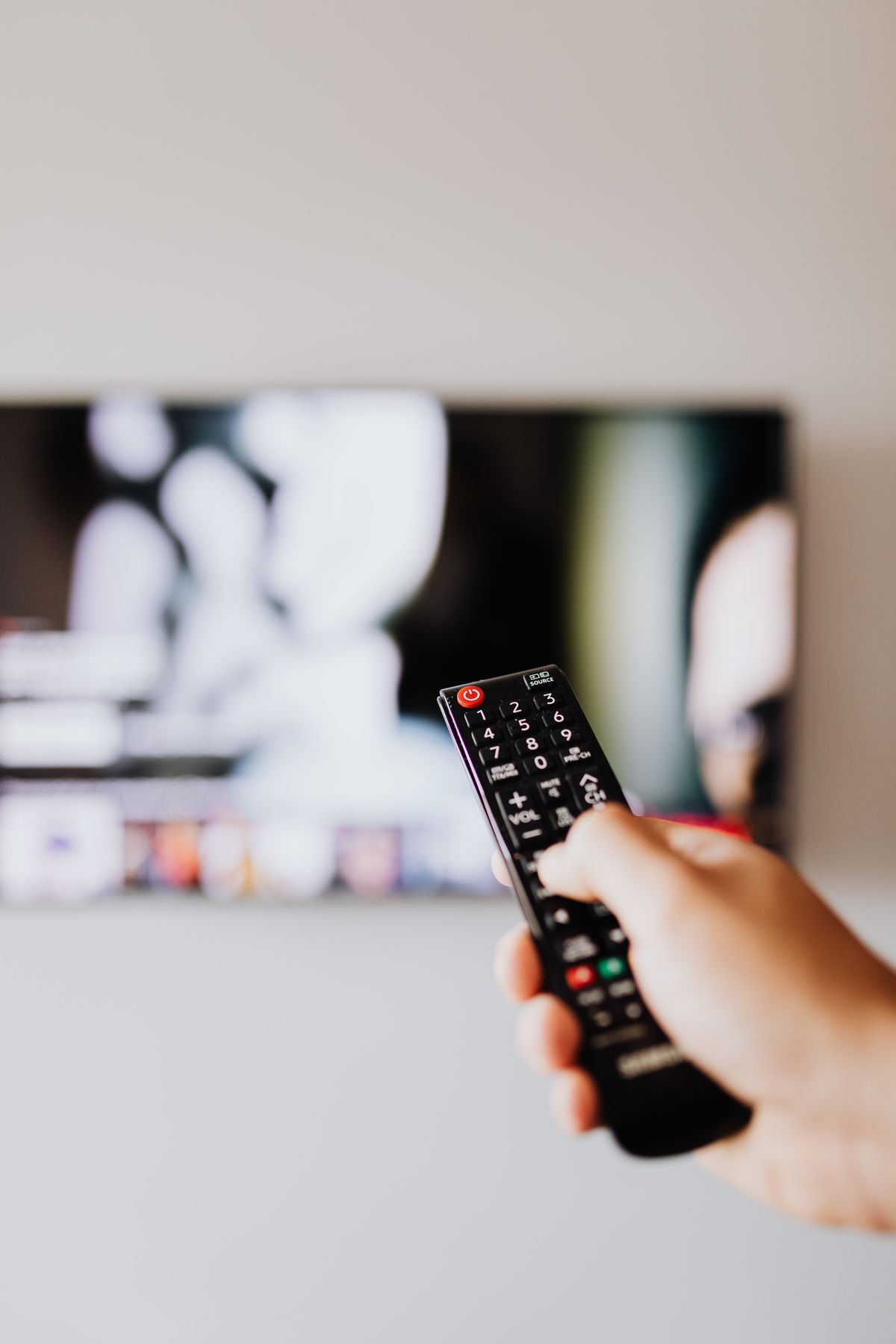
    Modern living room set up for streaming through a TV stick device
    A small Fire Stick can absolutely handle smooth 4K IPTV — if it’s set up right.

    What to Check Before You Start

    • Make sure your Fire Stick’s OS version is up to date — older firmware can cause playback issues.
    • Confirm your internet speed at the TV’s location specifically, not just where your router sits.
    • Have a little free storage available — app installs and updates need room to work.

    Setting Up IPTV on a Streaming Stick

    1. Open your stick’s app store from the home screen.
    2. Search for and install the recommended IPTV player app.
    3. Open the app and enter the connection details your provider sends you.
    4. Give it a moment to load your content, then start watching.

    For a full breakdown across every device type, see our complete setup guides page.

    Common Streaming Stick Issues (and Quick Fixes)

    Wi-Fi Signal Is Weaker Than Expected

    Streaming sticks have small antennas built into a tiny form factor, so they’re more sensitive to distance from your router than a larger device would be. Moving your router closer, or adding a Wi-Fi extender, often solves this instantly.

    App Feels Sluggish

    Streaming sticks have limited processing power compared to a full Android TV box. Closing unused apps in the background can noticeably improve performance.

    Buffering During Peak Hours

    This is almost always a bandwidth issue rather than a device issue. See our full buffering troubleshooting guide for the complete checklist.

    Getting Set Up the Easy Way

    If you’d rather skip the trial-and-error entirely, message us on WhatsApp and we’ll walk you through the exact setup live, on your specific device.

    Frequently Asked Questions

    Does IPTV work well on Fire Sticks?Yes, when the app and connection are set up correctly — they handle 4K streaming fine for most households.

    Why does my stick lag more than my phone?Streaming sticks have less processing power, so background apps and outdated firmware affect them more noticeably.

    Can I get guided help setting this up?Yes — it’s part of the free trial process.

    The Bottom Line

    A Fire Stick is more than capable of smooth 4K IPTV — the small size doesn’t mean a compromise, as long as it’s set up correctly and your connection can support it.

    Want it set up for you, live?
    Start a free trial on WhatsApp →

    EWritten by the EyeIPTV Team
    We set this up on Fire Sticks daily — kept current as of August 2026.

  • How Much Does IPTV Cost Per Month in 2026?

    How Much Does IPTV Cost Per Month in 2026?

    Updated August 2026 · 6 min read

    Let’s skip the vague “contact us for pricing” run-around. If you’re trying to figure out what IPTV actually costs per month before you commit to anything, here’s the real breakdown — no games, no mystery numbers.

    Analyzing pricing and value data closely before making a decision
    Real pricing should be easy to find, not something you have to dig for.

    What IPTV Typically Costs

    Pricing varies by provider and plan length, but a well-run service will always show you the exact numbers upfront. As an example, here’s how EyeIPTV structures it:

    PlanTotal PriceEffective Monthly Rate
    1 Month$14$14/month
    6 Months$49~$8.17/month
    12 Months$84~$7/month

    Longer terms lower the effective monthly cost, which is standard across most subscription services — the trade-off is committing to a longer period upfront. See the full pricing page for household/multi-connection rates too.

    What Should Be Included at That Price

    • Guided device setup, not just a login and good luck
    • Clear simultaneous connection count for your plan
    • Real support if something goes wrong
    • No hidden equipment fees or surprise add-ons

    Why “Too Cheap” Should Make You Pause

    If a price looks dramatically lower than everyone else’s for the same claims, that’s usually a sign of corners being cut somewhere — unreliable streams, no real support, or a service that won’t be around in six months. A fair price for a service that actually works consistently is worth more than a rock-bottom price for one that doesn’t.

    Test Before You Commit to Any Price

    Whatever the price, verify it’s worth it yourself first. Start a free trial before comparing costs — the value only matters if the service actually holds up on your own device.

    Frequently Asked Questions

    What does EyeIPTV cost per month?Starting at $14/month, with lower effective rates on 6- and 12-month plans.

    Are there hidden fees?No — pricing is published upfront on the pricing page.

    Is a cheaper plan always better?Not necessarily — test the service first via a free trial to judge real value.

    The Bottom Line

    A fair IPTV price is one you can see clearly before you pay, with no surprises after. Compare the real number, not a vague promise — and always test before you commit to any plan length.

    See the exact numbers for yourself.
    View EyeIPTV pricing →

    EWritten by the EyeIPTV Team
    We keep our pricing public because it should be — kept current as of August 2026.

  • IPTV Free Trial With No Credit Card Required

    IPTV Free Trial With No Credit Card Required

    Updated August 2026 · 6 min read

    I’ll be blunt about why this matters so much: the moment a “free trial” asks for your card number, it’s not really free — it’s a countdown to an auto-charge you’ll probably forget about. I’ve seen this trap catch smart, careful people more than once. So here’s exactly what a real, no-card IPTV trial should look like, and why it’s the only kind worth your time.

    Person relaxed on the couch testing a streaming service
    A real trial means testing on your own time, with zero risk of a surprise charge.

    Why “No Card Required” Actually Matters

    A trial that requires your card details isn’t really testing the waters — it’s testing whether you’ll remember to cancel before a deadline. A provider confident in their service doesn’t need that safety net. If they’re good, you’ll want to continue anyway.

    What a Genuine No-Card Trial Looks Like

    1. You message the provider — no signup form, no payment page.
    2. They confirm your device and country to guide setup properly.
    3. You test the actual service on your actual device, during your actual viewing hours.
    4. You decide, with zero pressure — continue if you like it, or simply stop if you don’t.

    That’s the entire process. No hidden step where a card gets charged automatically. See exactly how it works from first message to first stream.

    How EyeIPTV’s Free Trial Works

    You message us on WhatsApp, tell us your device and country, and we guide you through setup live. No card, no automatic billing, no countdown clock. If you decide to continue, you’ll choose from clearly published plans — nothing you weren’t told about upfront.

    Frequently Asked Questions

    Do I really not need a card to try EyeIPTV?Correct — the trial is guided over WhatsApp with no card details required at any point.

    Will I be charged automatically after the trial?No. You choose whether to continue, and only then do you select and pay for a plan.

    How do I start?Start here or message us directly on WhatsApp.

    The Bottom Line

    If a “free trial” needs your card upfront, it’s designed to profit from you forgetting, not from you loving the product. Look for the kind that doesn’t need a safety net — because the best providers don’t need one.

    Ready for a trial with zero risk?
    Start your free EyeIPTV trial on WhatsApp →

    EWritten by the EyeIPTV Team
    We built our trial this way on purpose — kept current as of August 2026.

  • Is IPTV Legal? The Honest Answer for 2026

    Is IPTV Legal? The Honest Answer for 2026

    Updated August 2026 · 7 min read

    This is the question I get asked most often, usually in a hushed, slightly worried tone: “Wait, is IPTV even legal?” It’s a completely fair thing to wonder, especially with how much conflicting information is floating around. So let’s actually answer it clearly, without the vague hand-waving most articles give you.

    Person relaxed and confident while browsing on their phone at home
    Knowing exactly what you’re signing up for is what makes IPTV worth feeling relaxed about.

    The Short Answer

    IPTV, as a technology, is completely legal. It’s simply a method of delivering video over the internet — the exact same underlying technology that powers mainstream streaming platforms you already use every day. Transmitting video over IP isn’t the legal question at all; it never has been.

    So What’s the Actual Concern People Have?

    The confusion almost always comes down to one thing: what content a specific provider is streaming, and whether they have the rights to distribute it. That’s a question about the operator, not the technology. This is exactly why transparency matters so much when you’re choosing who to subscribe to.

    What to Actually Look For

    • A provider willing to let you test the service before paying, rather than pressuring an immediate purchase
    • Clear, direct communication about your plan and what it includes
    • A real person you can actually talk to, not just an automated storefront

    None of this requires you to become a legal expert. It just means treating an IPTV subscription the way you’d treat any other online purchase — with the same basic diligence.

    Why We Keep Things Simple at EyeIPTV

    We don’t ask you to take anything on faith. You get a free guided trial before you pay a cent, transparent pricing, and a real person on WhatsApp if you have any questions at all — before, during, or after you subscribe.

    Frequently Asked Questions

    Is IPTV technology itself illegal?No. Delivering video over the internet is the same legal technology used by mainstream streaming services.

    What actually determines whether a service is trustworthy?Transparency — a real trial, clear pricing, and responsive support before you ever pay.

    Can I ask questions before subscribing?Yes — message us on WhatsApp any time, no obligation.

    The Bottom Line

    The technology isn’t the question — the provider is. Choose one that’s upfront with you from the first message, and the rest takes care of itself.

    Have a question before you try it?
    Ask us directly on WhatsApp →

    EWritten by the EyeIPTV Team
    We answer this question more than almost any other — kept current as of August 2026.

  • 10 Questions to Ask Before You Buy an IPTV Subscription

    10 Questions to Ask Before You Buy an IPTV Subscription

    Updated August 2026 · 8 min read

    Before you hand over any money to an IPTV provider, there’s a short list of questions worth asking — ones that tell you far more than any ad or landing page will. I’ve built this list from years of helping people avoid the same mistakes, and honestly, most of these take thirty seconds to ask but save you months of regret. Here’s exactly what to ask before choosing a best iptv 4k subscription.

    Person checking off a checklist before making a decision
    A few minutes of questions now saves months of regret later.

    1. Can I Try It Before I Pay?

    This is the single most important question on the list. If the answer is no, or it’s vague, that’s your answer right there. A provider confident in their service lets you test it on your own device first — no card required.

    2. How Many Devices Can Stream at the Same Time?

    Not how many devices you can install the app on — how many can actually play video simultaneously. This is the number that determines whether your household will be arguing over the remote.

    3. What Happens If Something Breaks?

    Ask this before you pay, not after. Message their support with a real question and time how long it takes to get a genuine, helpful reply. That response — or lack of one — tells you what to expect after you’re a paying customer.

    4. Is the Pricing Actually Transparent?

    You should be able to see exact prices for exact plan lengths without needing to “contact us” first. Compare the plans clearly listed here as an example of what transparent pricing should look like — no guessing games.

    5. Am I Locked Into a Contract?

    Find out exactly what happens at the end of your billing period. Does it auto-renew? Can you leave anytime? A provider worth trusting will make this simple and obvious, not buried in fine print.

    Person researching and taking notes before making a purchase decision
    Write these five questions down before you talk to any provider — it takes the guesswork out of the decision.

    Bonus: Questions Worth Asking If You’re Comparing Multiple Providers

    • Which devices are actually supported? Get specific about your exact TV, box, or phone rather than accepting “compatible with everything.”
    • Is setup guided, or am I on my own? Real-time help during setup is a strong signal of ongoing support quality.
    • What’s the minimum internet speed recommended? This tells you whether your home connection is even a good fit before you waste time testing.

    For a deeper walkthrough of what to check, see our full guide on what 4K IPTV actually is and how to judge quality before switching.

    How EyeIPTV Answers Each of These

    Since these are exactly the questions we’d want asked of us, here’s the short version: yes to a free trial, clear simultaneous connection counts confirmed before payment, real WhatsApp support, transparent published pricing, and no contracts you didn’t knowingly agree to. If you want to verify any of it yourself, that’s exactly what the trial is for.

    Frequently Asked Questions

    What’s the single most important question to ask?Whether you can try the service before paying. Everything else is easier to verify once you’re actually testing it.

    How do I test a provider’s support quality before subscribing?Message them with a real question before you pay and see how quickly and helpfully they respond.

    What if a provider won’t answer these questions clearly?Treat that as your answer — a trustworthy provider won’t be evasive about basics like pricing and connection limits.

    Where can I ask these questions to EyeIPTV directly?Message us on WhatsApp any time — before or after you’re a customer.

    The Bottom Line

    Ten questions sounds like a lot, but in practice this is a five-minute conversation with any provider worth your money. If they can answer all of it clearly and confidently, you’ve found a real contender. If they can’t, you’ve saved yourself a subscription you’d have regretted.

    Ready to ask us directly?
    Start a conversation on WhatsApp →
    Or browse our FAQ for quick answers first.

    EWritten by the EyeIPTV Team
    We answer these exact questions from new customers every day — this list reflects what actually matters, kept current as of August 2026.

  • IPTV for Families: Multiple Devices Without the Hassle

    IPTV for Families: Multiple Devices Without the Hassle

    Updated August 2026 · 8 min read

    Every household with more than one person watching TV eventually hits the same argument: someone wants the living room screen, someone else wants their tablet, and somebody’s already asked “why did my show just freeze?” I’ve had this exact conversation with more families than I can count while helping them set up streaming. So let’s talk about what actually makes IPTV work well for a household with multiple people, not just a single viewer.

    Family sitting together watching TV at home
    Household streaming should work for everyone, not just whoever grabs the remote first.

    The Question Every Household Needs to Ask First

    Before signing up for any best iptv service, figure out one thing: how many people will realistically be watching different things, on different screens, at the same time? Not how many devices you own — how many people are actually streaming simultaneously on a typical evening.

    This number determines everything else, because it’s the difference between a single-connection plan and a household plan — and it’s the single most common thing people get wrong when signing up.

    Connections vs. Devices: The Distinction That Actually Matters

    This trips up more people than anything else, so it’s worth being precise about:

    • Devices: How many gadgets you can install the app on. Usually unlimited or generous.
    • Simultaneous connections: How many of those devices can actually stream at the exact same moment. This is the number that matters for a busy household.

    A provider that blurs this distinction is setting you up for exactly the “why did it freeze” argument I mentioned earlier. A good one, like EyeIPTV’s household plans, confirms your exact connection count with you directly before you pay anything.

    Family with a child watching television together in their living room
    Getting the connection count right up front avoids the awkward “who’s hogging the stream” conversation later.

    Setting Up Multiple Devices Without the Headache

    Start With the Main Screen

    Set up the living room TV first, since it’s usually the highest-traffic device and the one worth getting exactly right. Our setup guides walk through this by device type.

    Add Secondary Devices One at a Time

    Once the main screen is confirmed working well, add phones, tablets, or a second TV one at a time, testing each before moving to the next. This makes it much easier to spot which device (if any) is causing an issue.

    Label Devices If Everyone Shares an Account

    A small thing, but it saves confusion later — especially in households where multiple people might message support about “their” device.

    What a Good Household Plan Actually Looks Like

    Here’s what to look for specifically if more than one person in your home will be streaming regularly:

    1. A clearly stated simultaneous connection count, confirmed before payment
    2. Guided setup help for each device, not just the first one
    3. Transparent pricing for the household tier compared to a single connection
    4. Support that understands multi-device households, not just single-user setups

    If you’re not sure how many connections your household actually needs, that’s a completely normal question to bring to a free trial conversation — a good provider will help you figure it out rather than just upselling the biggest plan available.

    Frequently Asked Questions

    How many connections does my household actually need?Count how many people realistically stream at the same time on a busy evening — that’s your real number, not your device count.

    Can I add more connections later if my needs change?Most providers, including EyeIPTV, let you adjust your plan — ask before you commit to a specific tier.

    Does more connections mean lower quality per screen?It shouldn’t, with a properly built household plan — this is worth confirming directly with support.

    Where can I see household pricing?Check our pricing page for the current household/multi-connection option.

    The Bottom Line

    IPTV works great for households, not just solo viewers — as long as you’re clear about your actual connection needs before you sign up. Ask the right question upfront, confirm the number directly with your provider, and the “who’s hogging the screen” argument becomes a non-issue.

    Not sure what your household needs?
    Ask us on WhatsApp →
    Or browse household pricing options first.

    EWritten by the EyeIPTV Team
    We help households of every size find the right connection setup — this guide reflects the questions we’re asked most, kept current as of August 2026.

  • IPTV Buffering Fixes: Smooth 4K Streaming Every Time

    IPTV Buffering Fixes: Smooth 4K Streaming Every Time

    Updated August 2026 · 7 min read

    Nothing kills a movie night faster than that spinning wheel. I’ve sat through it myself more times than I’d like to admit, and almost every time, the fix turned out to be something small and boring — not a sign the whole service was broken. So here’s the real troubleshooting checklist I use whenever 4k iptv streaming starts stuttering, before jumping to “this provider is bad.”

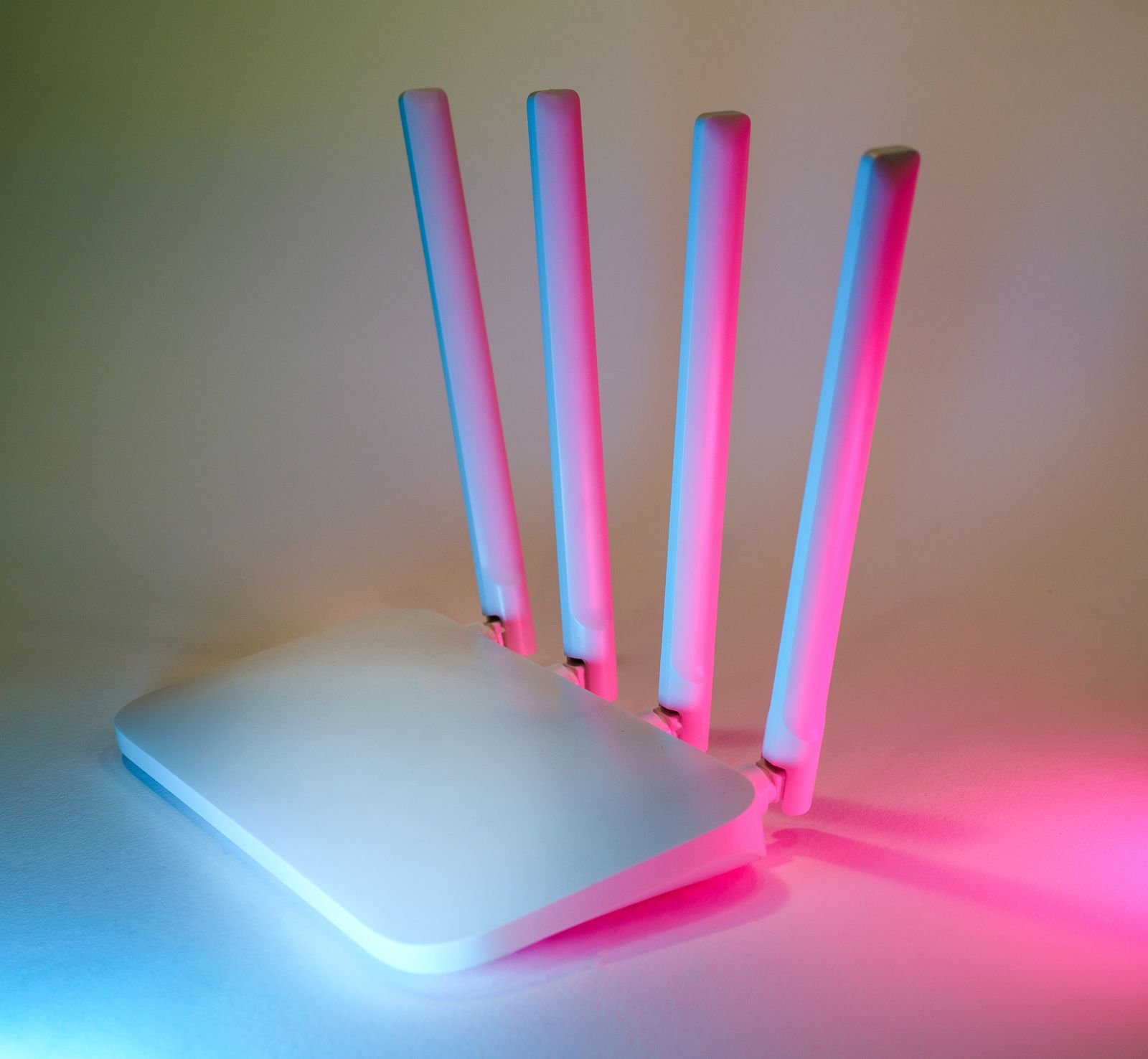
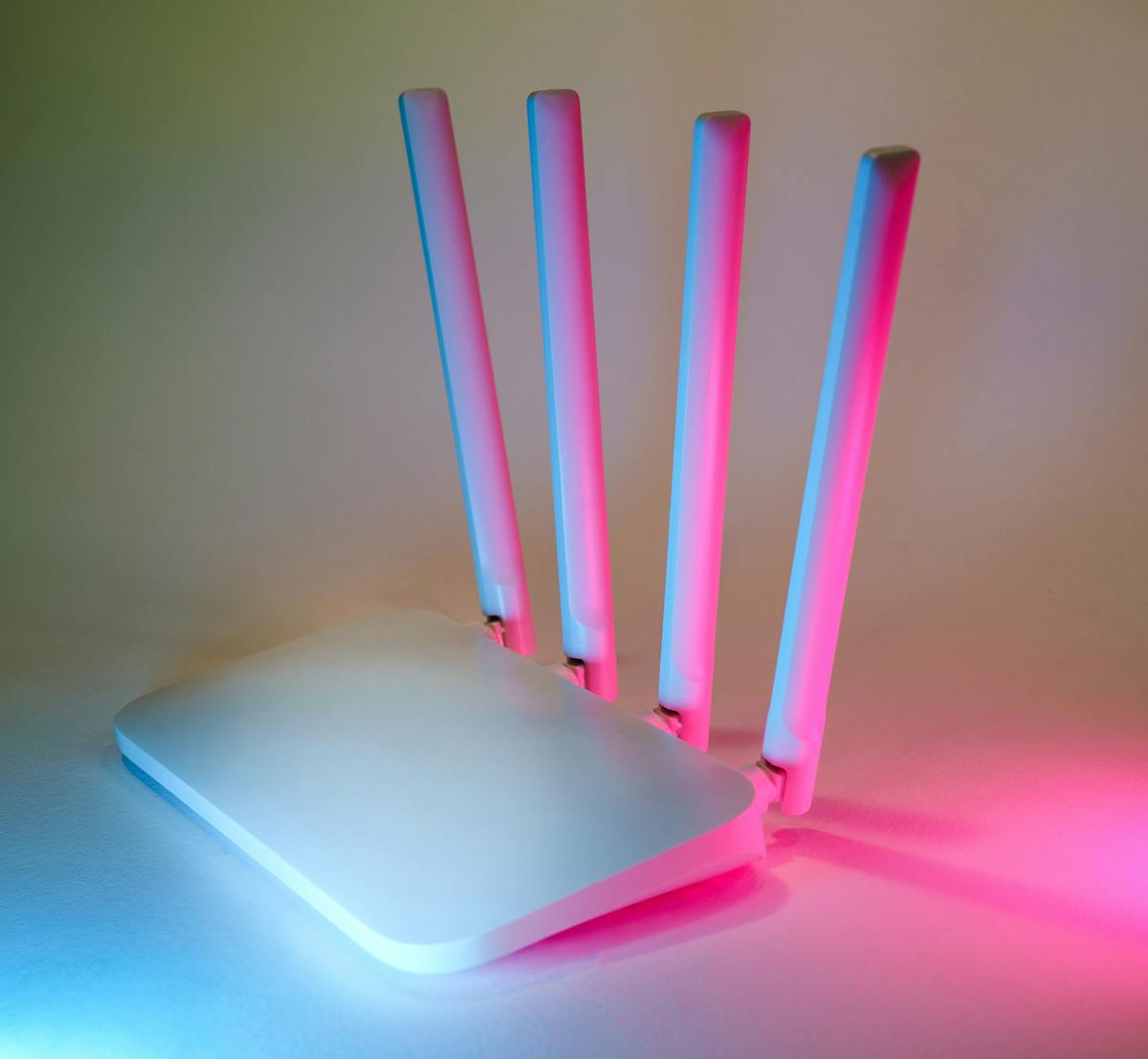
    Home wireless router providing the connection behind smooth IPTV streaming
    More often than not, the fix starts here — not with the streaming app itself.

    Start With the Connection, Not the App

    Buffering is almost always a bandwidth or stability problem, not a content problem. Before blaming your provider, run through this quickly:

    • Test your actual speed during the exact time you’re watching, not earlier in the day.
    • Count how many devices are active on your network at once — video calls, downloads, and other streams all compete for the same bandwidth.
    • Try a wired connection if your streaming device supports Ethernet — it’s often more stable than Wi-Fi, especially through walls or multiple floors.
    • Restart your router if it’s been running for weeks without a reboot — this genuinely fixes more issues than people expect.

    Then Check the Device Itself

    Close Background Apps

    Streaming boxes and Smart TVs have limited memory. Apps left running in the background can quietly eat into what your IPTV app needs to keep the stream smooth.

    Force-Close and Reopen the App

    This sounds too simple to work, but it resolves a surprising number of playback issues — it clears a stuck buffer or cache without needing a full device restart.

    Update the App

    An outdated app version can cause playback quirks that a simple update resolves instantly. It’s an easy thing to overlook.

    If It’s Still Happening, Test at Peak Hours

    This is the step people skip, and it’s the most important one. A stream that looks flawless at 2pm on a Tuesday can behave completely differently at 9pm on a Saturday when your household — and everyone else’s — is online at once. If buffering only happens during peak hours, that’s useful information: it points to bandwidth congestion rather than a fundamentally broken service.

    This is exactly why testing a best iptv 4k provider properly — on your real device, during your real viewing hours — matters so much more than trusting a spec sheet. It’s also why we build guided trials this way at EyeIPTV: so you can catch problems like this before you ever pay.

    When to Actually Contact Support

    If you’ve run through the checklist above and it’s still buffering consistently, that’s when a message to support is worth sending — and it’s also a good test of the provider itself. A good one will respond quickly and actually help you diagnose it, rather than pointing you back to a generic FAQ. See our own FAQ page for more troubleshooting basics, or just message us directly on WhatsApp if you’re already a customer.

    Frequently Asked Questions

    What internet speed do I need for smooth 4K IPTV?25 Mbps or higher is a comfortable baseline, especially if multiple devices share the connection.

    Does Wi-Fi vs wired connection actually matter?Yes — a wired connection is typically more stable, especially in larger homes or through multiple walls.

    Why does buffering only happen in the evening?That’s peak usage time for your household and often your neighborhood’s network too — it’s the most useful time to actually test a service.

    What if none of this fixes it?Message your provider’s support directly. Here’s how to reach EyeIPTV.

    The Bottom Line

    Most buffering issues come down to your connection or device, not the provider itself — but the way a provider handles it when you do reach out tells you everything about whether they’re worth sticking with. Run through the checklist above first, and if a 4k iptv service still can’t hold up during your peak hours after that, that’s a real signal worth listening to.

    Want to test a service that’s built to handle peak hours?
    Start a free EyeIPTV trial on WhatsApp →

    Or check our FAQ for more troubleshooting tips.

    EWritten by the EyeIPTV Team
    We troubleshoot streaming issues with customers every week — this checklist reflects the fixes that actually work, kept current as of August 2026.

  • The Ultimate IPTV Setup Guide: 4K Streaming in Minutes

    The Ultimate IPTV Setup Guide: 4K Streaming in Minutes

    Updated August 2026 · 9 min read

    The number one thing that scares people away from trying IPTV isn’t the price or the trust question — it’s the fear that setup will be a technical nightmare. I get it. I’ve watched people put this off for months over a fear that turned out to be completely unfounded once they actually sat down and did it. So here’s the real, no-nonsense walkthrough of what setting up a best iptv 4k service actually involves, device by device.

    Setting up an IPTV app using a TV remote control
    Most setups take minutes once you know exactly what to click.

    Before You Start: What You’ll Need

    Nothing exotic. Just:

    • A device you already own — Android TV, Fire TV Stick, Smart TV, phone, tablet, or computer
    • A stable internet connection (25 Mbps+ recommended for smooth iptv 4k streaming)
    • Your connection details from your provider, usually sent right after you sign up for a trial
    • About five to ten minutes, especially the first time

    If you’re not sure your device qualifies, message support and ask before you assume — it’s a thirty-second question that saves a lot of guesswork.

    Setup by Device

    Android TV / Google TV

    Open the Google Play Store directly on your TV, search for the recommended IPTV player, install it, and enter the connection details you were given. This is usually the smoothest setup path of all the options, since Android TV boxes are built for exactly this kind of app.

    Amazon Fire TV Stick

    From the home screen, go to the Fire TV search or Appstore, install the recommended app, and sign in. Fire Stick setups are nearly identical to Android TV, with the main difference being where the app store lives in the menu.

    Smart TV (Built-In App Store)

    Open your TV’s own app store — Samsung, LG, and others each have their own — and search for a compatible IPTV player. Some older Smart TV models don’t support the necessary apps directly, in which case a small external streaming device solves it instantly. Worth confirming with support before you assume your TV won’t work.

    Phone & Tablet

    Download the app from the App Store or Google Play, enter your details, allow the permissions it requests, and you’re watching within a minute or two. This is usually the fastest setup of any device, and a good way to test the service quickly before setting up your main living-room screen.

    Computer or Laptop

    A compatible media player app handles this on both Windows and Mac. It’s a solid way to preview the service before committing to a full living-room setup, though most people eventually move to a TV-based device for day-to-day watching.

    For the complete device-by-device breakdown with more detail, see our full setup guides page.

    Common Setup Problems (and the Actual Fixes)

    “The App Won’t Open”

    Force-close it and reopen. If that fails, restart the device entirely — this solves the majority of app-launch issues across every device type.

    “It Keeps Buffering”

    Check your internet speed during the time you’re actually watching — not at a quiet hour. A wired connection, or moving your router closer, often fixes this immediately.

    “My Login Isn’t Working”

    Double-check the connection details were entered exactly as sent — a single typo is the most common cause. If it’s still not working, message support to confirm your account status.

    Getting IPTV setup help through a messaging app
    Stuck on a step? A real reply on WhatsApp usually solves it in minutes.

    Why Guided Setup Beats DIY Every Time

    You technically can figure all of this out alone by piecing together forum posts and outdated YouTube tutorials. But a provider that walks you through it live, on your actual device, in real time, will save you the trial-and-error entirely — and it’s also a good early signal of how responsive their support will be after you’ve paid. At EyeIPTV, this guided setup happens during your free trial on WhatsApp, before you’ve spent anything at all.

    Frequently Asked Questions

    How long does setup actually take?Usually five to ten minutes with guidance, sometimes less on phones and tablets.

    What if my device isn’t listed?Message support and ask — most modern devices are supported, and there’s often a workaround even for older hardware.

    Do I need any special equipment?No — in almost all cases your existing TV, streaming stick, phone, or computer is enough.

    Can someone walk me through it live?Yes — EyeIPTV’s free trial includes guided setup over WhatsApp. Start here.

    The Bottom Line

    Setting up a best iptv 4k service is genuinely one of the simplest parts of the whole process — it just needs to be done with the right guidance instead of guesswork. Pick your device, follow the steps above, and if anything trips you up, a real person is one message away.

    Want someone to walk you through it live?
    Start your free EyeIPTV trial on WhatsApp →
    Or browse the full setup guides first.

    EWritten by the EyeIPTV Team
    We guide customers through setup on every major device, every week — this guide reflects the exact steps we walk people through, kept current as of August 2026.

  • IPTV vs Cable TV: Is It Worth Switching in 2026?

    IPTV vs Cable TV: Is It Worth Switching in 2026?

    Updated August 2026 · 8 min read

    A friend of mine spent about fifteen years with the same cable provider. Same overpriced bundle, same rising bill every renewal, same annoyance every time she called to negotiate. When she finally switched to IPTV, her first message to me was basically “why didn’t I do this years ago.” That reaction is common enough that I think it’s worth actually breaking down — is switching to IPTV worth it in 2026, and how does it really compare to keeping cable?

    Family relaxing at home while streaming on their TV
    Cord-cutting shouldn’t mean losing the living-room experience — just the bill that came with it.

    The Honest Comparison: IPTV vs Cable

    I’m not going to pretend this is a one-sided argument, because it isn’t always. But for most households in 2026, the case for switching is stronger than it’s ever been.

    Cost

    Cable pricing tends to creep upward every year, often bundled with equipment rental fees and contract penalties if you leave early. A good best iptv service option, by contrast, is usually transparent about pricing upfront, with no equipment to rent and no penalty for stopping whenever you want.

    Flexibility

    Cable ties you to a box, in one room, tied to one address. IPTV runs on whatever device you already own — your TV, your phone, your laptop — and travels with your internet connection rather than a physical line.

    Contracts

    This is where a lot of people get burned by cable specifically: long contracts with early-termination fees. A well-run IPTV provider should let you choose your term — monthly, six months, a year — without locking you into anything longer than you actually want.

    Where Cable Still Has an Edge

    To be fair, cable has one genuine advantage: it doesn’t depend on your internet connection. If your household has unreliable internet, that’s a real factor to weigh before switching — IPTV quality is only ever as good as the connection underneath it. That’s exactly why testing a service on your own internet, during your own peak hours, matters more than any spec sheet.

    Group of friends watching TV together at home
    If your household streams and video-calls without issues, you’re probably ready for IPTV too.

    A Simple Test to Decide For Yourself

    Instead of debating it in the abstract, here’s the test I’d actually recommend:

    1. Check your internet speed during your busiest household hours — evenings and weekends.
    2. Try a free trial of a best 4k iptv provider on your actual TV, not just a phone.
    3. Compare the real monthly cost, including any cable equipment rental you’re currently paying.
    4. Ask about contract length before committing to either option.

    If the trial holds up during your busiest hours and the pricing is clearer than your current cable bill, you already have your answer.

    What Switching Actually Looks Like

    With EyeIPTV, the process is intentionally simple — no engineer visit, no equipment shipped to your door, no waiting around for an installation window:

    • Message us on WhatsApp with your device and country.
    • Get guided through setup on your existing device — see our setup guides for specifics.
    • Test it during your normal viewing hours, for free, before deciding anything.
    • If it fits, choose a plan from our pricing page. If it doesn’t, you simply don’t continue.

    The full breakdown of each step is on our how it works page, if you want to see exactly what to expect before you message us.

    Frequently Asked Questions

    Is IPTV cheaper than cable long-term?Usually yes, especially once you factor in equipment rental fees and yearly price increases that cable providers commonly add.

    Do I lose anything by switching?You lose the physical cable box, but gain flexibility across devices. The main thing to check first is your internet stability during peak hours.

    Can I switch back if it doesn’t work out?With a provider that doesn’t lock you into long contracts, yes — that flexibility is one of the core advantages over traditional cable.

    How do I test before committing?Start with a free, guided trial on your own device. See how EyeIPTV’s trial works.

    The Bottom Line

    Switching from cable to a best iptv service isn’t right for absolutely everyone, but for most households with stable internet, it’s a genuinely easy decision once you actually test it — not just read about it. The only real way to know is to try it yourself, on your own screen, before you commit to anything.

    Ready to compare it for yourself?
    Start your free EyeIPTV trial on WhatsApp →
    Or check pricing and FAQs first.

    EWritten by the EyeIPTV Team
    We help households weigh cord-cutting decisions every day — this comparison reflects the questions we hear most often, kept current as of August 2026.

  • What Is 4K IPTV? A Beginner’s Guide for 2026

    What Is 4K IPTV? A Beginner’s Guide for 2026

    Updated August 2026 · 8 min read

    Every few weeks, someone asks me the same question in slightly different words: “What actually is IPTV, and is it worth switching to?” It’s a fair question, because the term gets thrown around a lot without much explanation. So let’s actually break down what 4K IPTV is, how iptv 4k streaming works in practice, and what you should know before you try it.

    Friends gathered around a TV streaming content together
    Good IPTV should feel just like this — simple, shared, and reliable.

    IPTV, Explained Simply

    IPTV stands for Internet Protocol Television. Instead of your channels arriving through a satellite dish or a cable line, they’re delivered over your regular internet connection — the same connection you use for browsing, streaming, and video calls. You watch through an app on a device rather than a box tied to a single provider.

    Why “4K” Matters in That Equation

    4K refers to resolution — roughly four times the detail of standard HD. On a large screen, the difference is genuinely noticeable: sharper textures, more natural color, less of that soft, slightly blurry look older streams have. But 4K is only as good as the infrastructure behind it. A provider can call itself “4K IPTV” in its marketing without the backend to actually deliver clean 4K during busy hours — which is exactly why testing matters more than the label.

    How It’s Different From Traditional Streaming Apps

    Standard streaming apps each hold their own separate content library. IPTV instead delivers a live, organized channel-style experience, plus on-demand content, through a single app — closer to how cable used to feel, but running over the internet and typically far more flexible about which device you use.

    What You Actually Need to Get Started

    This is usually the part people overthink. In reality, the requirements are simple:

    • A stable internet connection — 25 Mbps or higher is a comfortable baseline for smooth 4K.
    • A supported device: Android TV, Fire TV Stick, a Smart TV with an app store, a phone, tablet, or computer. Check our device setup guides for specifics.
    • A few minutes for the initial setup, ideally with someone guiding you through it the first time.

    That’s genuinely it. There’s no separate satellite dish, no engineer visit, no long installation window. Most people are watching within the same session they start setting up in — you can see exactly how that process works on our how it works page.

    Hand holding a remote control while setting up an IPTV app
    Setup usually takes minutes, not hours — if the provider actually guides you through it.

    Common Questions People Have Before Switching

    Is It Legal?

    IPTV as a delivery technology is completely legitimate — it’s simply a method of transmitting video over the internet, the same underlying tech that powers plenty of mainstream streaming services. What matters is who’s operating the service and how transparent they are about what you’re getting, which is exactly why a real trial period before payment is so important — you’re able to judge the actual service, not just take a claim at face value.

    Will It Work on My Current Internet Plan?

    For most home broadband connections, yes. The main variable is stability during peak hours rather than raw speed — which is exactly why testing during your household’s busiest viewing time matters more than testing at 3am when nothing else is competing for bandwidth.

    Do I Need to Buy New Equipment?

    Usually not. If you already own an Android TV box, a Fire TV Stick, a modern Smart TV, or even just a phone or laptop, that’s typically enough to get started.

    How to Actually Judge Quality Before You Commit

    Here’s the process I’d recommend to anyone considering a switch:

    1. Start with a real trial. No card required, no auto-billing. If a provider won’t offer this, that alone tells you something.
    2. Test on your actual device, not just a laptop, during your household’s normal viewing hours.
    3. Message support before you pay with a real question and see how quickly — and how helpfully — they respond.
    4. Confirm your connection count if more than one person in your household will be watching at once.

    This is the exact approach we use at EyeIPTV — a guided free trial over WhatsApp, real setup help on your actual device, and transparent plans you can review before deciding on anything.

    Frequently Asked Questions

    What’s the difference between IPTV and streaming apps like a traditional cable replacement?IPTV delivers a live, channel-style experience plus on-demand content through one app, over your internet connection, rather than a single closed content library.

    Do I need special hardware for 4K IPTV?In most cases no — an existing Android TV, Fire Stick, Smart TV, phone, or computer is enough. See our setup guides for details by device.

    How do I know if a provider’s 4K claim is real?Test it yourself during peak hours before paying. A provider confident in their service will offer a real trial rather than asking you to trust a label.

    Can I try before I subscribe?Yes — EyeIPTV offers a guided free trial with no card required. Learn more here.

    The Bottom Line

    4K IPTV isn’t complicated once you strip away the marketing language — it’s simply television delivered over the internet, and the quality comes down entirely to the provider behind it. The only way to really know if an iptv 4k service is worth your money is to test it yourself, on your own device, before you pay anything.

    Curious how it actually performs on your setup?
    Start a free EyeIPTV trial on WhatsApp →
    Or explore pricing plans first.

    EWritten by the EyeIPTV Team
    We help households understand and set up 4K IPTV every day — this guide reflects the questions we’re actually asked most often, kept current as of August 2026.