Category: Uncategorized

  • IPTV for Beginners: Your First 30 Days

    IPTV for Beginners: Your First 30 Days

    Updated August 2026 · 9 min read

    Everyone remembers their first week with a new streaming setup a little differently — some people dive in and figure it out instantly, others feel a bit lost for the first few days. If you’re brand new to IPTV, here’s a realistic walk-through of what the first month actually looks like, so you know what to expect at each stage.

    Friends gathered to watch content together on a new streaming setup
    By week two, most people forget they were ever unsure about switching.

    Days 1-2: Getting Set Up

    This is the guided part — message a provider, confirm your device and country, and get walked through installing the app. It typically takes five to ten minutes with help, though it can feel slower the very first time simply because everything is new. See our how it works page for the exact sequence.

    Days 3-7: The Trial Period

    This is where you actually test things — not just whether it loads, but whether it holds up during your real, busy viewing hours. Try it on the device you’ll actually use most, not just whatever’s easiest to test on first.
    Settling in to enjoy content during a trial period
    The trial period is for real testing, not just a quick glance.

    Week 2: Deciding on a Plan

    By now you should have a clear sense of whether the service fits. If it does, choose a plan length that matches your actual confidence level — starting with a shorter plan is completely reasonable even if you’re fairly sure, since it costs little to be certain.

    Weeks 3-4: Getting Comfortable

    This is when most people stop thinking about the setup at all and just start using it like they would any other streaming service. If you haven’t already, this is a good time to set up any secondary devices — see our guide on setting up multiple devices if more than one person in your household streams.

    Comfortably using a streaming service after getting familiar with it
    By week four, it should just feel normal — that’s the goal.

    What Should Feel Normal by Day 30

    • You’re not thinking about the technical side anymore — it just works
    • You know exactly who to message if something ever needs fixing
    • You have a clear sense of your plan, price, and renewal terms with no confusion

    If any of those still feel unclear a month in, that’s worth raising with your provider directly — it shouldn’t still feel uncertain by then.

    Starting Your Own First 30 Days

    Start a free trial whenever you’re ready, and we’ll walk you through day one the same way we’ve described here.

    Frequently Asked Questions

    How long does it take to feel comfortable with IPTV?Most people feel fully settled within two to three weeks of regular use.

    What should I test during the trial specifically?Your actual device, during your actual peak viewing hours — not just a quick check.

    When should I add extra devices for other household members?Once your main setup feels solid, usually within the first couple of weeks.

    The Bottom Line

    The first 30 days follow a predictable pattern for almost everyone: setup, real testing, a confident decision, then it just becomes normal. Knowing what to expect at each stage makes the whole process far less intimidating.

    Ready to start day one?
    Start your free trial on WhatsApp →
    EWritten by the EyeIPTV Team
    We walk new customers through exactly this journey every day — kept current as of August 2026.

  • Wireless HDMI & Hardware: What You Actually Need for IPTV

    Wireless HDMI & Hardware: What You Actually Need for IPTV

    Updated August 2026 · 7 min read

    Beyond the basic streaming device question, a few smaller hardware decisions can noticeably improve your IPTV experience — or quietly hold it back if you get them wrong. Here’s what’s actually worth knowing about cables, extenders, and the small stuff that doesn’t get talked about enough.

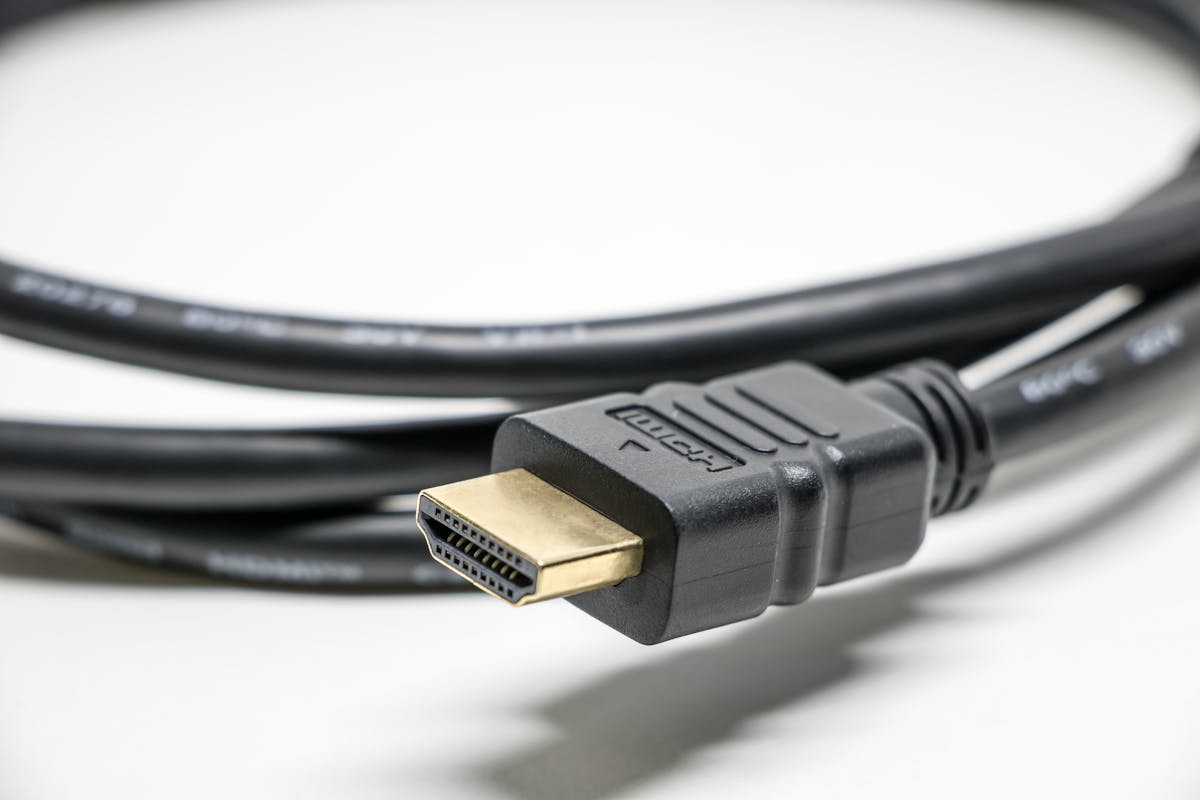
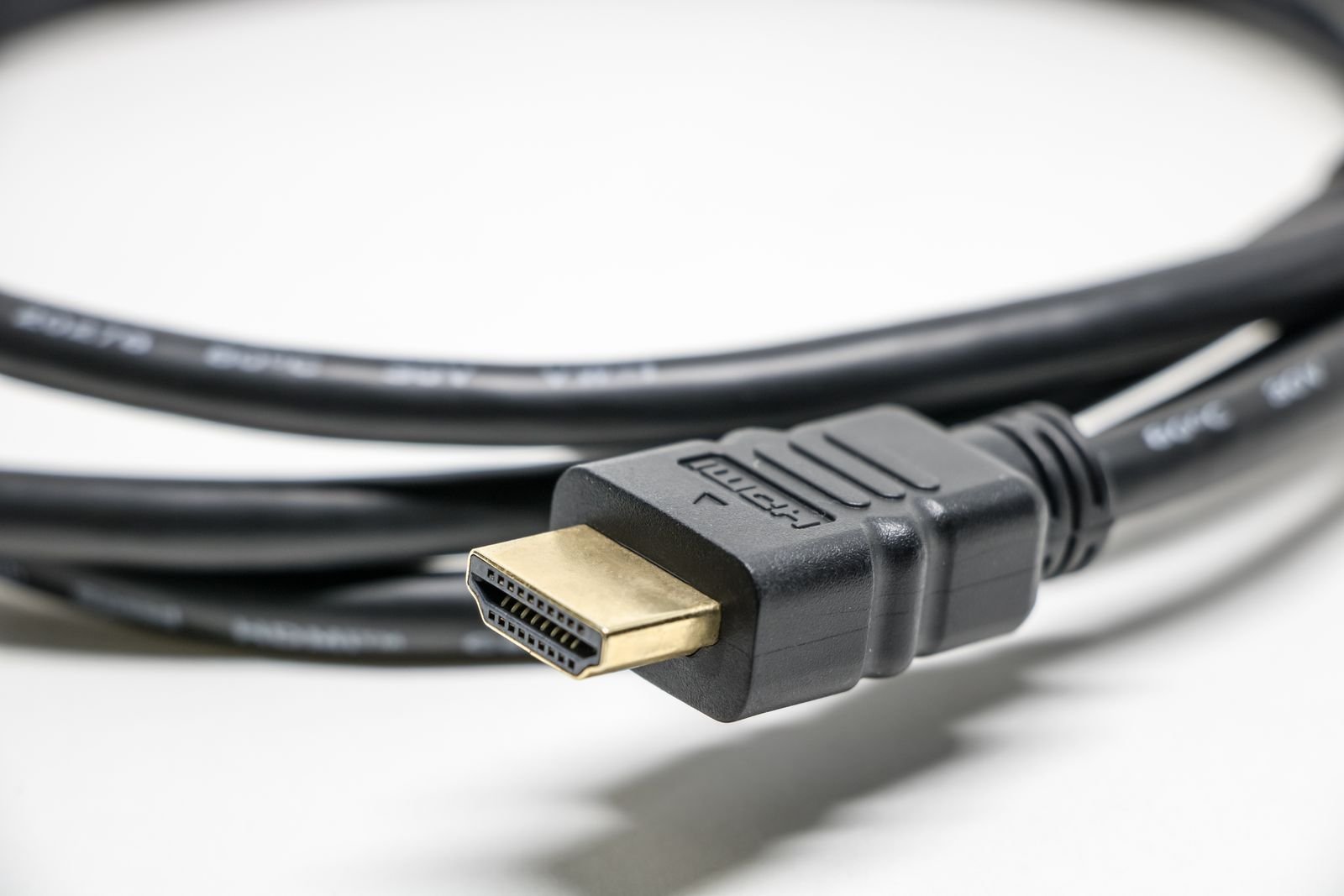
    HDMI cable connecting streaming equipment
    Small hardware choices add up to a noticeably better or worse experience.

    Do You Need a Wireless HDMI Extender?

    These devices send a video signal wirelessly from one point to another — useful if your streaming device is far from your TV, or if you want to avoid running a long cable across a room. For most standard IPTV setups where the device plugs directly into the TV, this isn’t necessary. It becomes worth considering specifically if your network setup is unusual, like projecting to a screen in a separate room.

    Cable Quality Actually Matters for 4K

    An older or budget HDMI cable can genuinely bottleneck a 4K picture, even when your streaming device and internet connection are both performing perfectly. If your setup is a few years old, check that your cable is rated for at least HDMI 2.0 — it’s a small, inexpensive fix that occasionally solves picture-quality complaints people assume are a bigger issue.

    Router Placement Beats Router Upgrades

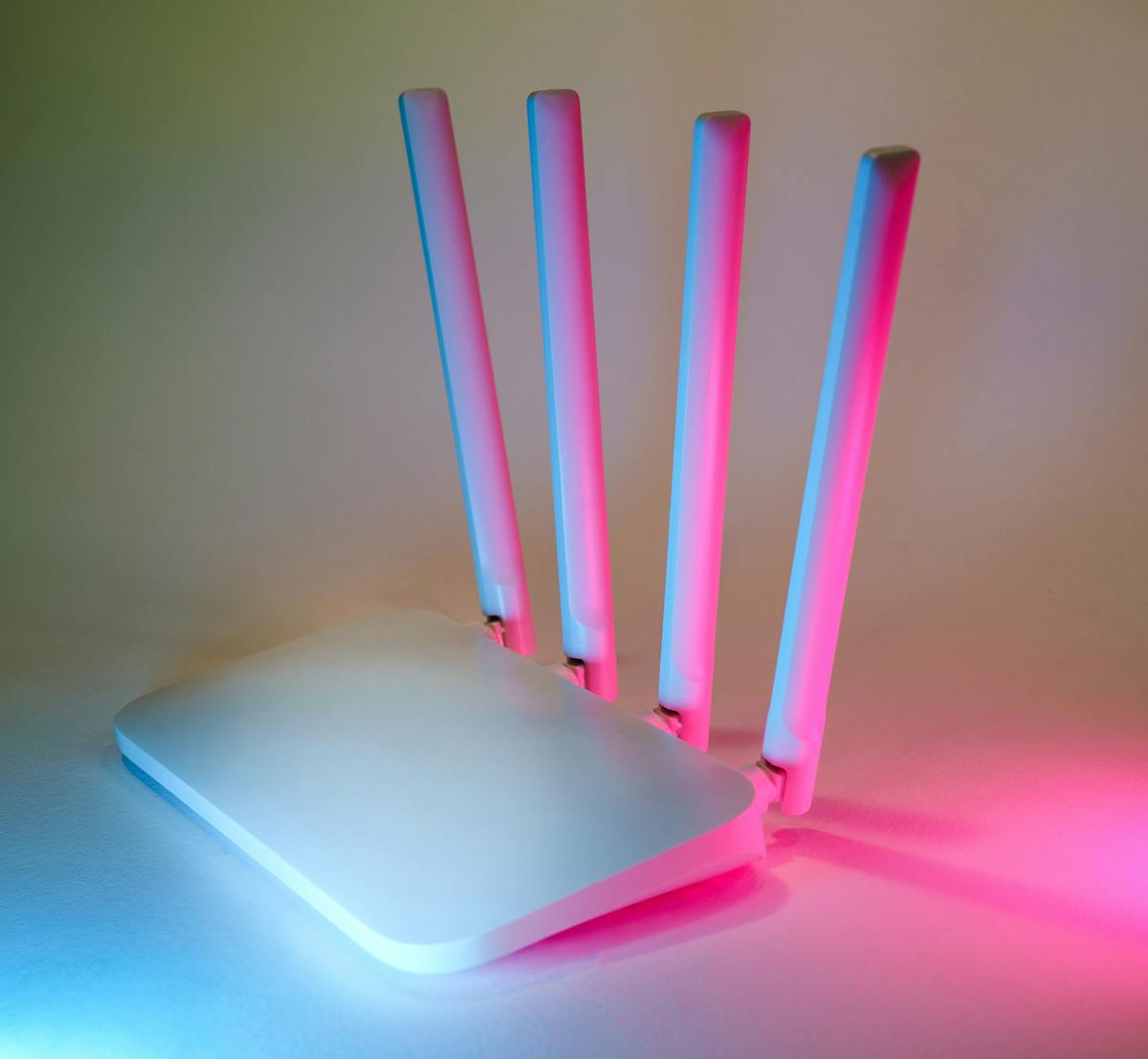
    Before spending money on a new router, try moving your existing one closer to your main TV, or reducing the number of walls between them. This single change resolves more streaming issues than most hardware upgrades people jump to first.

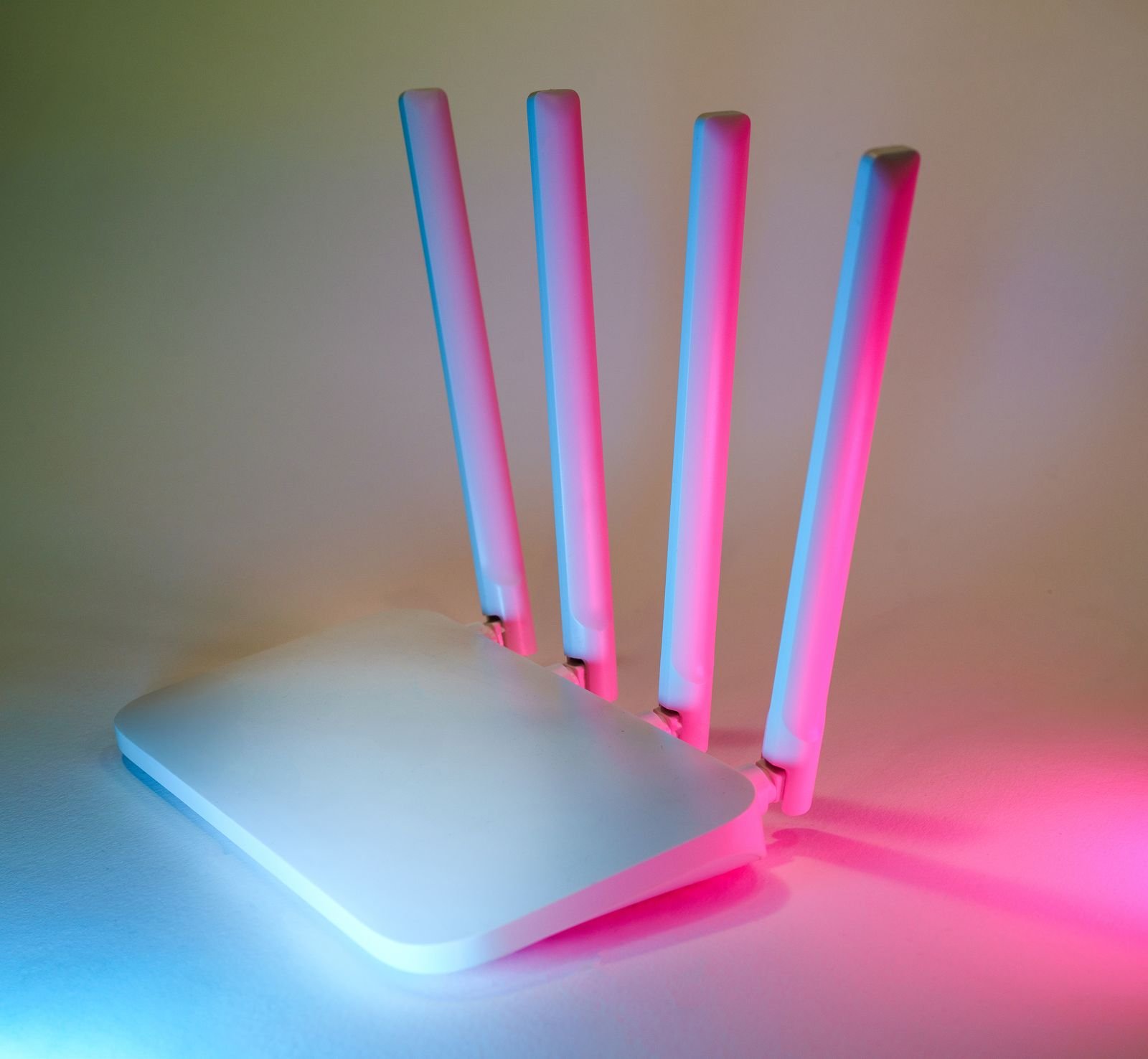
    Router positioned to provide a strong home network signal
    Where your router sits often matters more than which router you own.

    When Ethernet Is Worth the Effort

    A wired connection to your main streaming device is more stable than Wi-Fi, especially in larger homes or ones with a lot of interference. If your main TV is anywhere near your router, running one cable is a small effort for a real reliability improvement, particularly for anything you don’t want interrupted.

    What Actually Doesn’t Matter Much

    Premium-branded “IPTV-specific” accessories rarely offer anything a standard, well-reviewed alternative doesn’t. See our Fire Stick setup guide for a concrete example of getting great results without special hardware.

    Simple living room streaming setup without unnecessary hardware
    A simple, correctly configured setup usually beats an expensive, complicated one.

    Not Sure What You Need?

    Describe your setup on WhatsApp and we’ll tell you honestly whether anything extra would actually help, or whether what you have is already enough.

    Frequently Asked Questions

    Do I need a wireless HDMI extender for IPTV?Rarely — only in unusual setups where your device and screen aren’t near each other.

    Does my HDMI cable actually affect picture quality?Yes, for 4K specifically — an outdated cable can bottleneck it.

    Should I buy a new router first?Try repositioning your current one before upgrading — placement often matters more.

    The Bottom Line

    Most hardware “upgrades” people consider aren’t necessary. Check cable quality and router placement first — they solve more problems than any accessory purchase.

    Describe your setup and we’ll advise honestly.
    Ask us on WhatsApp →

    EWritten by the EyeIPTV Team
    We’d rather save you money on hardware you don’t need — kept current as of August 2026.

  • IPTV on Smart TV: Do You Even Need a Box?

    IPTV on Smart TV: Do You Even Need a Box?

    Updated August 2026 · 8 min read

    “Can I just use my Smart TV, or do I need a separate box?” This might be the single most common setup question I hear, and the honest answer is: it depends on your specific TV, and it’s easier to check than most people assume.

    Modern Smart TV set up in a living room
    Many Smart TVs can run everything you need without any extra device.

    How to Check If Your Smart TV Is Enough

    • Does it have its own app store? Most Smart TVs made in the last 5-6 years do.
    • Can it install apps outside the built-in ones? Some older or budget models are locked to a small pre-approved list.
    • How’s its processing power? Older Smart TVs can feel sluggish running streaming apps directly, even if technically capable.

    If your TV checks all three, you likely don’t need anything extra at all.

    When a Separate Box Actually Makes Sense

    Your TV’s App Store Is Limited

    Some Smart TV platforms restrict what apps can be installed. A small external streaming device sidesteps this entirely and is usually a bigger upgrade than people expect for the cost.

    Your TV Feels Slow or Laggy

    Smart TV processors are often weaker than dedicated streaming devices, since the TV manufacturer’s priority was the screen, not the chip running the software. A separate device can genuinely feel like a different TV.

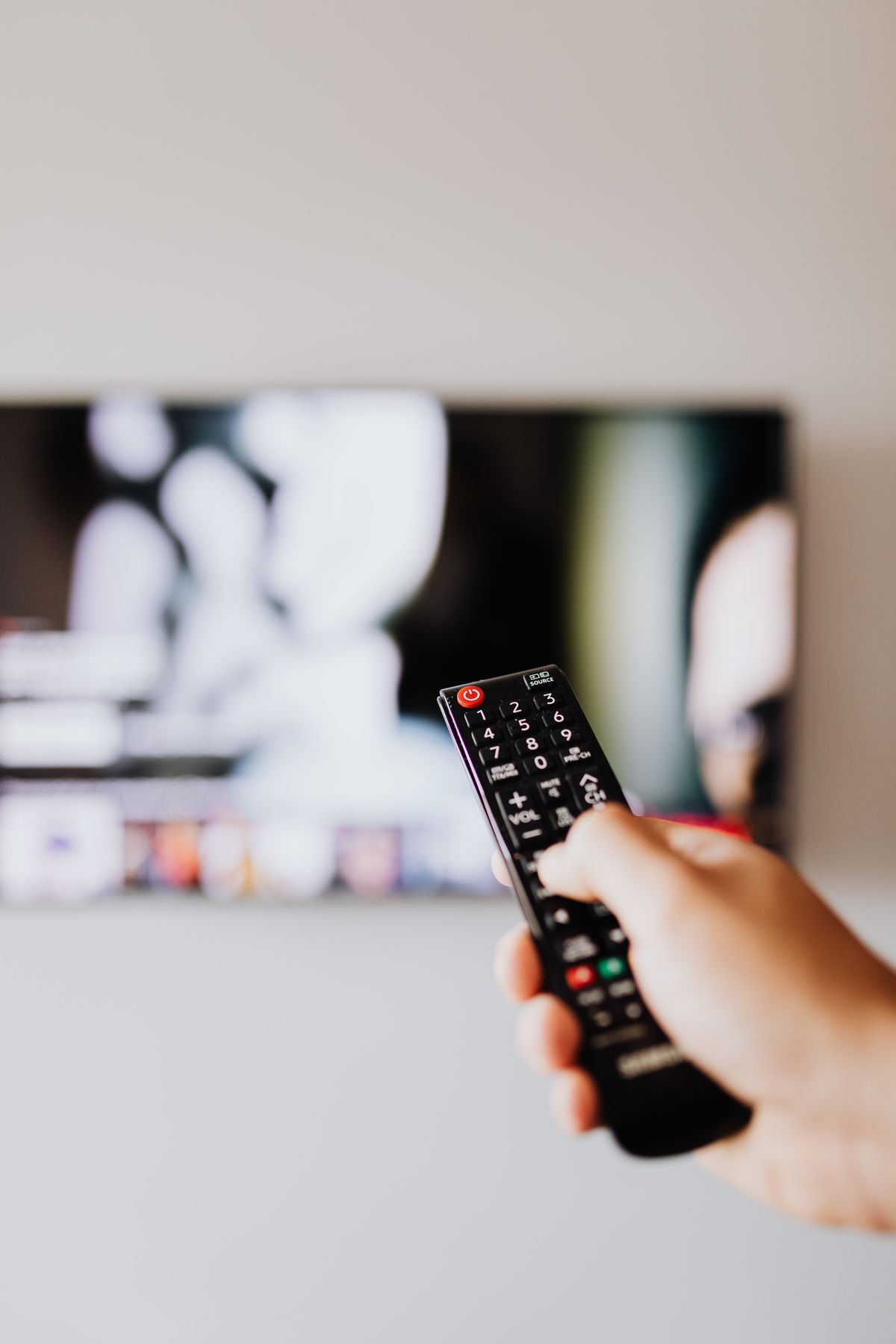
    Comparing remote control options for a TV setup
    Sometimes a small external device outperforms the TV’s own built-in system.

    Your TV Is More Than 6-7 Years Old

    At this age, “smart” features on most TVs are outdated enough that a modern streaming stick is a worthwhile, inexpensive upgrade rather than fighting an aging system.

    The Simplest Way to Know for Sure

    Rather than guessing, just try installing a streaming app directly on your TV first. If it installs and runs smoothly, you’re done. If it’s not available or runs poorly, that’s your answer to add a device. Our setup guides cover both paths in detail.

    Router providing the connection for a Smart TV setup
    Whichever path you take, your connection matters more than the device itself.

    We’ll Tell You Honestly During Your Trial

    Message us your TV model during a free trial and we’ll tell you plainly whether it’s enough on its own or whether a small device would genuinely improve your experience — no upselling either way.

    Frequently Asked Questions

    Can I use IPTV directly on my Smart TV?Yes, if your TV supports installing streaming apps and has reasonable processing power.

    Why would I add a box if my TV already works?Mainly for speed — a dedicated device can outperform an aging or budget Smart TV’s built-in system.

    How do I know for sure without guessing?Try installing the app directly first — it’s the fastest way to know.

    The Bottom Line

    Plenty of households don’t need anything beyond their existing Smart TV. Check first, add hardware only if you actually hit a limitation — not because a sales page told you to.

    Not sure about your specific TV?
    Ask us on WhatsApp →

    EWritten by the EyeIPTV Team
    We check this with customers every day before recommending anything extra — kept current as of August 2026.

  • Hidden Costs in IPTV Subscriptions: What to Watch For

    Hidden Costs in IPTV Subscriptions: What to Watch For

    Updated August 2026 · 8 min read

    The advertised price is rarely the whole story with any subscription service, and IPTV is no exception. Hidden costs are one of the top reasons people end up frustrated with a provider they initially liked. So let’s go through exactly where extra charges tend to hide, and how to spot them before they surprise you.

    Counting the real cost of a subscription beyond the sticker price
    The advertised price and the real price aren’t always the same number.

    Where Hidden Costs Usually Come From

    Setup or Activation Fees

    Some providers charge separately just to get your account working, on top of the advertised subscription price. This should be disclosed clearly upfront, not discovered at checkout.

    “Premium” Upsells After You’ve Already Signed Up

    A common pattern: get you in with a low price, then push additional paid tiers once you’re already invested and less likely to walk away. Watch for this specifically in the days right after subscribing.

    Equipment You Didn’t Actually Need

    As covered in our device setup guide, most households already own everything required. Providers pushing you to buy specific branded hardware before you’ve even tried the service is a red flag worth noticing.

    Closely reviewing the details of a subscription before paying
    Read the actual terms once, carefully, before your card is on file.

    Auto-Renewal at a Higher Rate

    Some services offer an attractive introductory rate that quietly jumps at renewal. Always ask directly what the renewal price will actually be, not just the first-term price.

    The Simple Checklist to Avoid Surprises

    1. Ask for the total price including any setup or activation fee, in writing.
    2. Confirm the renewal price, not just the introductory rate.
    3. Ask directly whether any hardware purchase is required or just optional.
    4. Test with a free trial before any card details are involved at all.
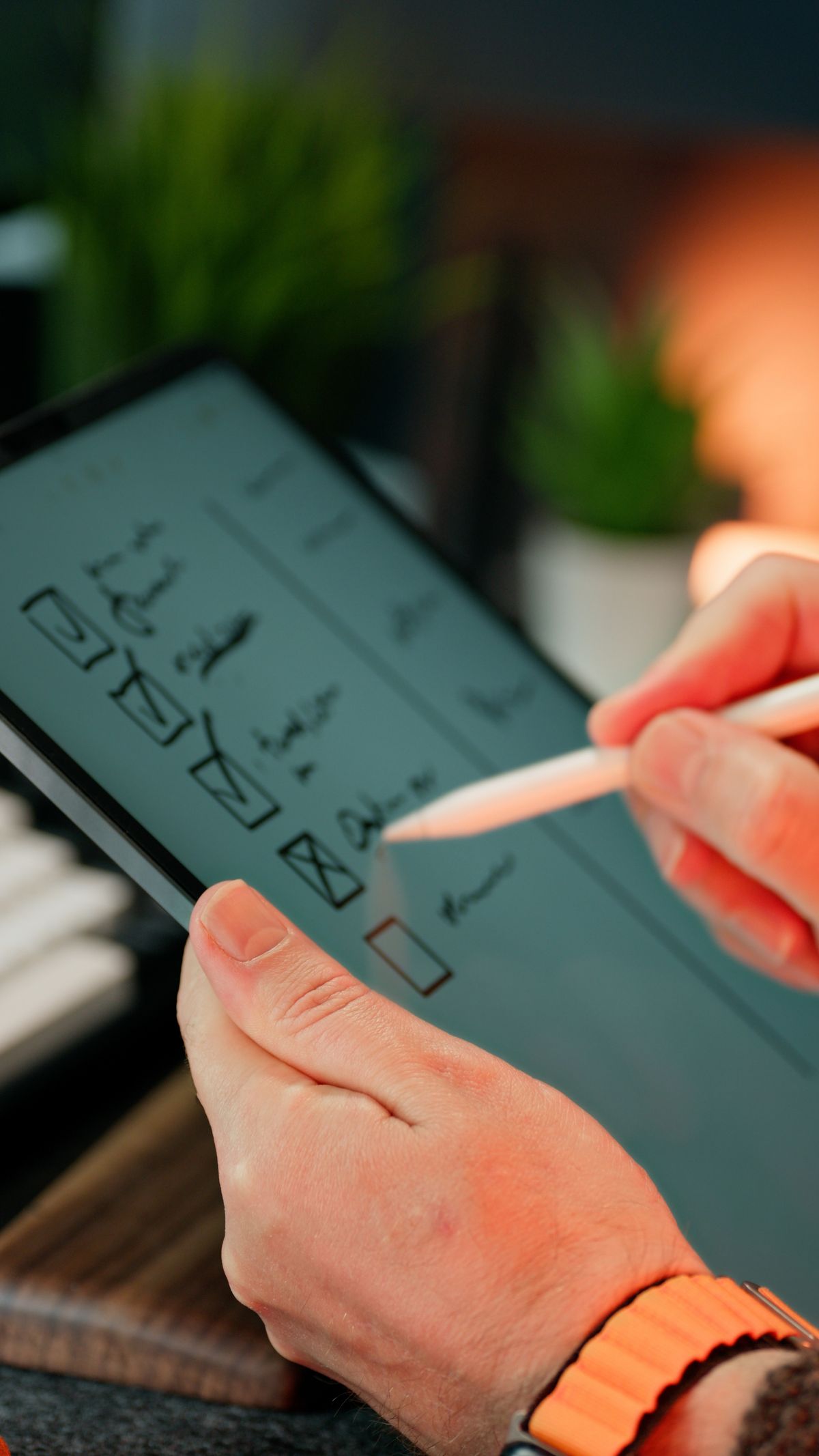
    Checking a list of questions before subscribing to a service
    Four questions, asked upfront, prevent almost every hidden-cost surprise.

    How EyeIPTV Prices Things

    What you see on our pricing page is what you pay — no setup fee, no surprise renewal jump, no required hardware purchase. If anything isn’t clear, ask before you pay, not after.

    Frequently Asked Questions

    Does EyeIPTV charge a setup fee?No — the price you see is the price you pay.

    Will my price increase at renewal without warning?No — since plans don’t auto-renew automatically, you always see the current price before continuing.

    Do I need to buy hardware to get started?Usually not — see our device guide to check what you already have.

    The Bottom Line

    Hidden costs almost always show up in the same handful of places. Ask the right four questions upfront, and you’ll know exactly what you’re paying before you ever commit.

    Want the full, honest price breakdown?
    View EyeIPTV pricing →

    EWritten by the EyeIPTV Team
    We publish real prices because customers deserve to see them — kept current as of August 2026.

  • IPTV Player Apps Compared: TiviMate vs Smarters vs XCIPTV

    IPTV Player Apps Compared: TiviMate vs Smarters vs XCIPTV

    Updated August 2026 · 9 min read

    One thing that confuses new IPTV users almost immediately: your subscription and the app you watch it through are two separate things. The provider gives you access; the player app is what actually displays it on your screen. Several popular, free, general-purpose player apps exist — TiviMate, IPTV Smarters Pro, and XCIPTV among the most common — and picking the right one for your setup makes a real difference in day-to-day experience.

    Comparing streaming apps and interfaces on a laptop
    The app you choose shapes your whole day-to-day experience, separate from the subscription itself.

    Why the App Matters as Much as the Subscription

    Two people with the exact same IPTV subscription can have completely different experiences depending on which app they’re using — interface speed, how easy it is to find something, EPG (program guide) quality, and how it handles a dropped connection all vary between apps.

    A General Comparison

    TiviMate

    Popular for its clean, TV-remote-friendly interface and strong program guide layout. Works especially well on Android TV boxes and Fire TV devices. A common choice for people who want the experience to feel closest to a traditional cable guide.

    IPTV Smarters Pro

    Widely used across almost every platform — Android, iOS, Windows, Smart TVs — making it a solid default if you want one app that works everywhere. The interface is straightforward, if a little less polished than some alternatives.

    XCIPTV

    A lighter-weight option that performs well on older or lower-powered devices where other apps might feel sluggish. Worth considering specifically if your streaming device is a few years old.

    Checking off a comparison list before choosing an app
    Match the app to your device, not just to what’s most popular.

    How to Pick the Right One for You

    1. Check what your device handles well. Older or lower-spec devices benefit from lighter apps.
    2. Try more than one during your trial. Since your subscription works with any of them, there’s no cost to testing a couple before settling.
    3. Ask your provider which they recommend for your specific device — a good one will have a clear answer, not a shrug.

    Setup Is the Same Basic Process Either Way

    Regardless of which app you choose, the setup process is nearly identical: install the app, enter the connection details your provider gives you, and you’re watching within a couple of minutes. See our full setup guides for device-specific walkthroughs.

    Setting up a streaming app on a phone
    Whichever app you pick, entering your details is a two-minute step.

    Not Sure Which to Use?

    Message us during your free trial and we’ll recommend the right app for your specific device, rather than a generic one-size-fits-all answer.

    Frequently Asked Questions

    Does the app affect my subscription content?No — the app is just how you view your subscription, not a separate content source.

    Which app should I use on an older device?A lighter app tends to perform better on older or lower-powered hardware.

    Can I switch apps later without losing my subscription?Yes — your subscription and your app choice are independent of each other.

    The Bottom Line

    The app you choose shapes your day-to-day experience more than people expect. Match it to your device, try a couple during your trial, and don’t be afraid to switch if one feels wrong.

    Need help picking the right app for your device?
    Ask us on WhatsApp →

    EWritten by the EyeIPTV Team
    We guide customers to the right app for their device every day — kept current as of August 2026.

  • 12-Month IPTV Plans: Is Committing a Full Year Worth It?

    12-Month IPTV Plans: Is Committing a Full Year Worth It?

    Updated August 2026 · 8 min read

    Searches for 12-month IPTV plans have been climbing, and I get why — the per-month math looks great on paper. But committing a full year upfront is a bigger decision than it feels like at checkout, and it’s worth actually thinking through before you click confirm. Here’s the honest breakdown.

    Marking important dates on a calendar while planning ahead
    A 12-month plan is a real commitment on the calendar, not just a checkout click.

    Why 12-Month Plans Look So Appealing

    The math is simple: spread a discounted annual price over 12 months, and the effective monthly rate drops noticeably compared to paying month to month. On a typical structure, that might mean $7/month for the year instead of $14/month paid monthly — a real, meaningful saving if the service works well for you the entire time.

    The Catch Nobody Mentions

    That saving only holds up if you actually use the full year. If you switch providers, lose interest, or move somewhere with different needs three months in, you’ve effectively paid full price for a service you didn’t finish using. This is exactly why some providers push aggressively for the annual plan immediately — the math favors them if you never claim the full value.

    Analyzing the real value of a long-term commitment
    Do the actual math on your realistic usage, not just the sticker price.

    A Better Way to Approach It

    1. Start with a free trial — never skip straight to a 12-month commitment on day one.
    2. Try a 1-month plan first if you’re still unsure after the trial, even if the per-month rate is higher.
    3. Only move to 6 or 12 months once you’re genuinely confident the service holds up during your actual peak usage.

    This staged approach costs a little more per month early on, but it protects you from the exact regret that makes people wary of annual plans in the first place.

    What a Fair 12-Month Offer Looks Like

    • Clear, published pricing you can review without pressure
    • No penalty or refusal if you want to start smaller first
    • A trial available before any plan length, not just the shortest one
    Relaxed decision making about a subscription length
    No provider worth trusting will rush you past the trial straight into a year-long plan.

    Our Approach at EyeIPTV

    We never push the 12-month plan as the only real option. Every customer starts with a free trial, and from there you choose whatever length actually fits — 1 month, 6 months, or 12 — with the same transparent per-plan pricing regardless of which you pick.

    Frequently Asked Questions

    Is a 12-month plan actually worth it?Only if you’re confident you’ll use the full year — test thoroughly first with a trial and, ideally, a shorter plan.

    Should I start with the annual plan to save money?Not on day one — start with a trial, then decide based on real experience, not projected savings.

    Can I switch from a shorter plan to 12 months later?Yes — you can always move to a longer plan once you’re confident, rather than being pushed into it upfront.

    The Bottom Line

    12-month plans can be genuinely good value — but only after you’ve confirmed the service actually works for you. Test first, commit second, never the other way around.

    Test it before you commit to anything.
    Start a free trial on WhatsApp →

    EWritten by the EyeIPTV Team
    We’d rather you start small and stay than commit big and regret it — kept current as of August 2026.

  • Best IPTV Box in 2026: What Actually Matters

    Best IPTV Box in 2026: What Actually Matters

    Updated August 2026 · 10 min read

    Every time I help someone set up IPTV for the first time, the conversation eventually turns to the same question: “Do I need a special box, or can I just use what I have?” It’s a smart question, and the answer is more nuanced than most quick guides let on. Since search interest in “IPTV box” consistently outpaces searches for the subscriptions themselves, it’s clear a lot of people are stuck on this exact decision. So let’s actually work through it properly.

    Home network hardware powering a streaming setup
    The box matters less than the network behind it — but both matter.

    What “IPTV Box” Actually Means

    An IPTV box is simply a small device that runs your streaming app and connects to your TV — nothing more mysterious than that. It’s not a special piece of proprietary hardware tied to one provider; it’s a general-purpose Android-based device (or similar) that can run whatever apps you install on it, IPTV players included.

    This matters because it changes the question from “which box do I need to buy” to “do I already own something that does this job.”

    Do You Actually Need to Buy One?

    If You Already Have a Smart TV

    Most Smart TVs from the last several years have their own app store and enough processing power to run a streaming app directly — no separate box required. This is genuinely the simplest path if your TV supports it.

    If You Have an Android TV Device or Streaming Stick

    Same story — if you already own a Fire Stick, Android TV box, or similar, you almost certainly don’t need to buy anything additional. Install the app, enter your details, done.

    If Your TV Is Older and Has No App Support

    This is really the only scenario where buying a dedicated box makes sense — when your TV genuinely has no way to run apps itself. Even then, a basic streaming stick is usually a fraction of the cost of a dedicated “IPTV box” being marketed specifically for this purpose.

    Using a remote control to navigate a streaming setup
    If you’re already holding a remote for a Smart TV or streaming stick, you probably don’t need anything new.

    What Actually Matters More Than the Box Itself

    • Your internet connection. No box, however expensive, fixes a weak connection.
    • Your router’s placement. Distance and walls between your router and your TV affect stability more than most people expect.
    • The provider’s guided setup. A good provider walks you through this on whatever device you already have, rather than pushing you to buy something first.

    See our full setup guides for a breakdown by device type, or just message us and we’ll tell you honestly whether what you already own is enough.

    If You Do Decide to Buy a Box

    Look for a device that supports at least Android 11 or newer, has enough RAM to avoid lag (2GB minimum, 4GB is more comfortable), and supports Wi-Fi 5 or better if you’re not running Ethernet. Avoid anything marketed specifically and exclusively as an “IPTV box” at a premium price — a standard Android TV box or streaming stick from a mainstream retailer does the exact same job, usually for less.

    Living room set up for streaming without extra clutter
    A clean setup doesn’t need to mean extra hardware piled under the TV.

    Cabling Matters More Than People Expect

    Whatever device you end up using, the HDMI cable connecting it to your TV matters more than most people realize for 4K content specifically. An older or cheap cable can bottleneck picture quality even when everything else is working perfectly.

    HDMI cable connecting a streaming device to a television
    A modern HDMI cable rated for 4K is a small detail that actually matters.

    Getting Set Up Without Overthinking It

    The honest truth is most people don’t need to buy anything new to start with IPTV. Start a free trial on whatever you already have, and only consider new hardware if you genuinely hit a wall — not before.

    Frequently Asked Questions

    Do I need a special “IPTV box”?No — a standard Android TV box, streaming stick, or Smart TV app store works exactly the same way.

    What specs should a streaming box have?At least Android 11, 2GB+ RAM, and Wi-Fi 5 or better (or use Ethernet).

    Does the HDMI cable actually matter?Yes, for 4K specifically — an outdated cable can bottleneck picture quality.

    Can I test before buying anything new?Yes — start with a free trial on your current device first.

    The Bottom Line

    Most households already own everything they need. Test with what you have before spending on new hardware, and if you do need something, a standard streaming device beats a premium-branded “IPTV box” every time.

    Not sure if your current setup is enough?
    Ask us on WhatsApp →

    EWritten by the EyeIPTV Team
    We help people avoid buying hardware they don’t need — kept current as of August 2026.

  • Watching Live Sports on IPTV: What You Actually Need

    Watching Live Sports on IPTV: What You Actually Need

    Updated August 2026 · 7 min read

    Live sports are the toughest test any streaming setup will ever face. On-demand shows forgive a little buffering — you pause, it catches up, nobody’s upset. A live moment doesn’t wait for your stream to recover. So if watching sports is a priority for you, here’s what actually determines whether your setup can keep up, regardless of which provider you choose.

    Empty modern sports stadium before a live event
    Live sports put more pressure on your stream than almost any other content type.

    Why Live Sports Are Different From Everything Else

    A live broadcast has thousands (sometimes millions) of people watching the exact same moment at once, which means the servers behind it are under real strain during the event itself — not spread out over hours like an on-demand catalog. Add in that everyone in your own house might be watching too, and it’s clear why live sports is the true stress test for any IPTV setup.

    What Actually Matters for Smooth Live Viewing

    A Genuinely Stable Connection

    Speed matters, but stability matters more for live content. A connection that averages fast but drops for a second here and there will hurt live viewing far more than on-demand. If possible, use a wired connection for your main screen during anything you don’t want interrupted.

    Home router providing the connection behind a live stream
    Your router does more heavy lifting during a live event than at any other time.

    Headroom, Not Just Minimum Speed

    If a provider says 25 Mbps is the minimum, don’t run right at that number during a live event with three other devices active. Extra headroom is what actually prevents the picture from dropping quality mid-stream.

    A Provider That’s Upfront About Live Content

    Specific live event availability varies by provider and changes over time, so it’s always worth confirming directly with support what’s currently included before assuming anything. A provider that answers this clearly and specifically — rather than a vague “everything’s included!” — is one worth trusting.

    Testing Before an Event You Actually Care About

    Don’t wait until the moment that matters to find out if your setup can handle it. Use a free trial to test live playback during a normal busy evening beforehand, so you already know your connection and device can hold up when it counts.

    Testing a live stream with a TV remote before an important event
    Test the day before, not five minutes before kickoff.

    If Something Drops Mid-Stream

    • Restart the app first — it’s the fastest fix and works more often than you’d expect.
    • Check if other devices on your network are competing for bandwidth right at that moment.
    • If it persists, message support — a good provider treats a live-event issue as urgent, not routine.

    For the full troubleshooting checklist, see our buffering fixes guide.

    Frequently Asked Questions

    Why does live content buffer more than on-demand shows?Live streams put simultaneous load on servers and your connection in real time, with no buffer built up in advance like on-demand content has.

    What internet speed is safe for live viewing?Aim well above any stated minimum, especially if multiple devices are active in your household at the same time.

    Should I test before an event I care about?Yes — always test your setup during a regular busy evening beforehand, not for the first time during the event itself.

    The Bottom Line

    Live content is the real test of any streaming setup. Stable connection, real headroom, and a provider that’s straightforward about what’s included — get those three right and the rest takes care of itself.

    Want to test your setup properly first?
    Start a free EyeIPTV trial on WhatsApp →

    EWritten by the EyeIPTV Team
    We help customers stress-test their setup before it matters — kept current as of August 2026.

  • IPTV Sports Packages Explained: What to Ask First

    IPTV Sports Packages Explained: What to Ask First

    Updated August 2026 · 7 min read

    “Sports package” is one of those phrases that sounds specific but often isn’t, until you actually ask what it means. Different providers structure this completely differently, and the details matter a lot more than the label. Here’s exactly what to ask before assuming a “sports package” gets you what you’re picturing.

    Empty sports stadium representing live sports content
    “Sports package” means something different at every provider — ask before you assume.

    Why “Sports Included” Isn’t a Complete Answer

    Content availability changes constantly, varies by provider, and often depends on your region. A responsible provider confirms specifics with you directly rather than making blanket promises on a landing page — that’s not a lack of confidence, it’s honesty about something that genuinely changes over time.

    Questions Worth Asking Before You Subscribe

    1. Is this a separate add-on, or bundled into the standard plan? Pricing structures vary a lot here.
    2. Can availability change without notice? Get a straight answer, not a dodge.
    3. What happens if something you expected isn’t there? This is where a real trial matters — you can check before paying, not after.
    4. Is there an extra cost for higher quality during high-demand live events? Some providers quietly tier this.
    Checking off questions before choosing an IPTV plan
    A short list of direct questions saves a lot of disappointment later.

    Standard Plan vs Add-On: What’s the Real Difference?

    Some providers bundle everything into one flat rate. Others break things into tiers, where a base plan covers general content and an upgrade unlocks more. Neither approach is inherently better — what matters is whether the provider is clear about which structure they use, and whether the pricing reflects that honestly. Compare this directly against published, transparent pricing rather than a vague sales pitch.

    How to Actually Verify Before Paying

    The only reliable way to know what you’re getting is to ask directly and, ideally, see it yourself during a trial. Message support with your specific question before committing to anything — a provider’s willingness to answer clearly, specifically, and quickly tells you most of what you need to know about them.

    Messaging a provider to ask questions before subscribing
    A direct question, answered directly, tells you almost everything you need to know.

    Frequently Asked Questions

    Why won’t providers list exact content on their website?Availability changes over time and by region, so responsible providers confirm specifics directly rather than making claims that could go stale.

    Should I pay for a package without confirming details first?No — ask directly and, where possible, verify during a free trial before paying.

    How do I ask EyeIPTV about current plan details?Message us on WhatsApp any time — before or after you subscribe.

    The Bottom Line

    “Sports package” is a starting point for a conversation, not a guarantee. Ask specifically, verify during a trial, and choose a provider that answers directly instead of vaguely.

    Have specific questions before you subscribe?
    Ask us directly on WhatsApp →

    EWritten by the EyeIPTV Team
    We’d rather answer a direct question than make a vague promise — kept current as of August 2026.

  • Best IPTV Setup for Fire Stick: Complete 2026 Guide

    Best IPTV Setup for Fire Stick: Complete 2026 Guide

    Updated August 2026 · 7 min read

    The Fire Stick is probably the single most common device people use to get started with IPTV, and for good reason — cheap, small, and already plugged into a lot of TVs. If you’re using one (or thinking about it), here’s what actually matters for getting a smooth 4k iptv experience on it.

    Modern living room set up for streaming through a TV stick device
    A small Fire Stick can absolutely handle smooth 4K IPTV — if it’s set up right.

    What to Check Before You Start

    • Make sure your Fire Stick’s OS version is up to date — older firmware can cause playback issues.
    • Confirm your internet speed at the TV’s location specifically, not just where your router sits.
    • Have a little free storage available — app installs and updates need room to work.

    Setting Up IPTV on a Streaming Stick

    1. Open your stick’s app store from the home screen.
    2. Search for and install the recommended IPTV player app.
    3. Open the app and enter the connection details your provider sends you.
    4. Give it a moment to load your content, then start watching.

    For a full breakdown across every device type, see our complete setup guides page.

    Common Streaming Stick Issues (and Quick Fixes)

    Wi-Fi Signal Is Weaker Than Expected

    Streaming sticks have small antennas built into a tiny form factor, so they’re more sensitive to distance from your router than a larger device would be. Moving your router closer, or adding a Wi-Fi extender, often solves this instantly.

    App Feels Sluggish

    Streaming sticks have limited processing power compared to a full Android TV box. Closing unused apps in the background can noticeably improve performance.

    Buffering During Peak Hours

    This is almost always a bandwidth issue rather than a device issue. See our full buffering troubleshooting guide for the complete checklist.

    Getting Set Up the Easy Way

    If you’d rather skip the trial-and-error entirely, message us on WhatsApp and we’ll walk you through the exact setup live, on your specific device.

    Frequently Asked Questions

    Does IPTV work well on Fire Sticks?Yes, when the app and connection are set up correctly — they handle 4K streaming fine for most households.

    Why does my stick lag more than my phone?Streaming sticks have less processing power, so background apps and outdated firmware affect them more noticeably.

    Can I get guided help setting this up?Yes — it’s part of the free trial process.

    The Bottom Line

    A Fire Stick is more than capable of smooth 4K IPTV — the small size doesn’t mean a compromise, as long as it’s set up correctly and your connection can support it.

    Want it set up for you, live?
    Start a free trial on WhatsApp →

    EWritten by the EyeIPTV Team
    We set this up on Fire Sticks daily — kept current as of August 2026.